Australia’s coffee industry thrives on quality and community, with coffee shops competing to serve memorable cups that keep locals coming back. The way you source coffee beans shapes flavour, cost, and the story your brand tells every day at the counter.
Choosing a coffee supplier is a strategic call that affects training, logistics, and service rhythm. Working with a local coffee roaster can lift freshness and support, while partnering with a wholesale coffee supplier or exploring imported options can expand variety and scale. This guide breaks down the trade-offs so you can protect coffee quality, steady your margins, and build a menu your customers trust.
Common Mistakes Café Owners Make
Too many venues jump at the lowest price, only to face inconsistent flavour and unreliable drops later. Others do not ask key operational questions early, which leads to urgent fixes when volume spikes or a barista changes.
- Overlooking fundamentals like delivery windows, roast dates, and contingency stock can cost more in the long run.
- Failing to trial blends with your grinders and water profile increases waste and risks poor first impressions.
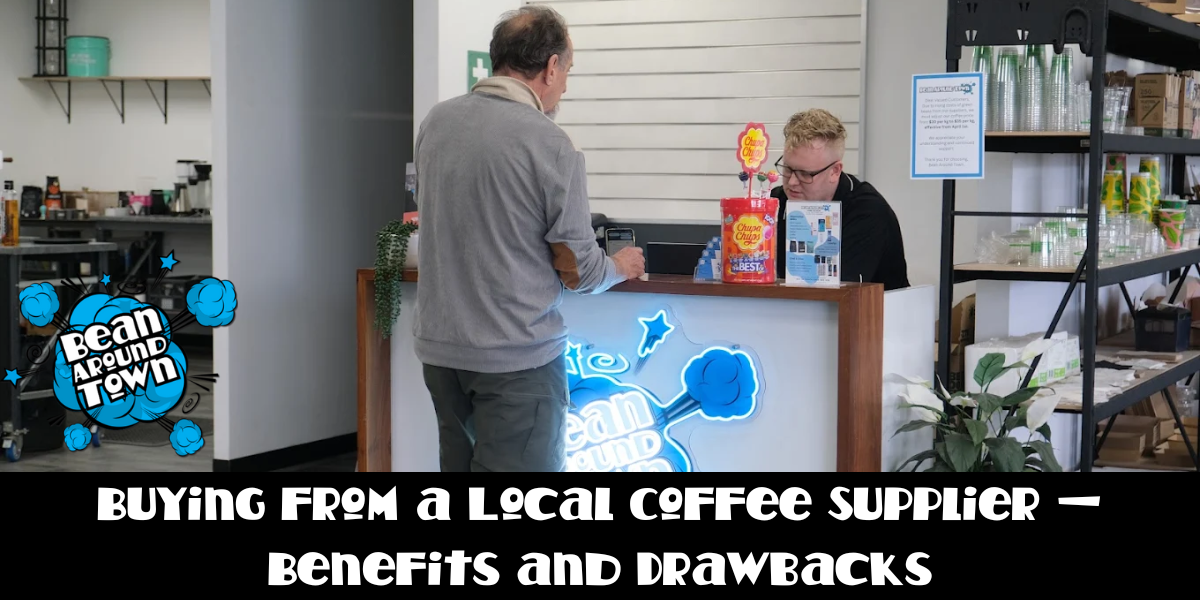
Buying from a Local Coffee Supplier — Benefits and Drawbacks
Pros of Local Suppliers
- Freshness: Locally roasted beans land quickly after the roast date, so your cups show clearer aromatics and sweetness. Faster turnover supports consistent extractions across espresso and filter without heavy tweaking.
- Community Support: Partnering with a nearby roaster builds ties with local businesses and reinforces a neighbourhood-focused brand. Joint events, fundraisers, and seasonal releases create genuine connections that your customers notice.
- Faster Delivery & Lower Costs: Shorter transit reduces freight spend and improves reliability during peak trading and public holidays. Predictable drop times help you plan staff rosters, manage inventory, and cut waste.
- Simpler Communication: Direct contact with your roaster speeds up blend trials, feedback, and issue resolution. On-site dial-ins and quick advice keep your bar running smoothly when recipes or volumes change.
Cons of Local Suppliers
- Limited Selection: Smaller portfolios can restrict origins, processing styles, and seasonal singles compared to global options. This can limit menu variety, tasting flights, and storytelling for curious regulars.
- Scalability Issues: As demand increases, production capacity and green inventories may lag behind your growth plans. Lead times can stretch, risking stockouts during promotions or busy periods.
- Higher Potential Costs: Lower production scale and regional logistics can push per‑kilo pricing higher than large suppliers. Budget pressure may show up in tighter margins or fewer funds for training and equipment upgrades.
Importing Coffee Beans — Pros, Cons, and Business Considerations
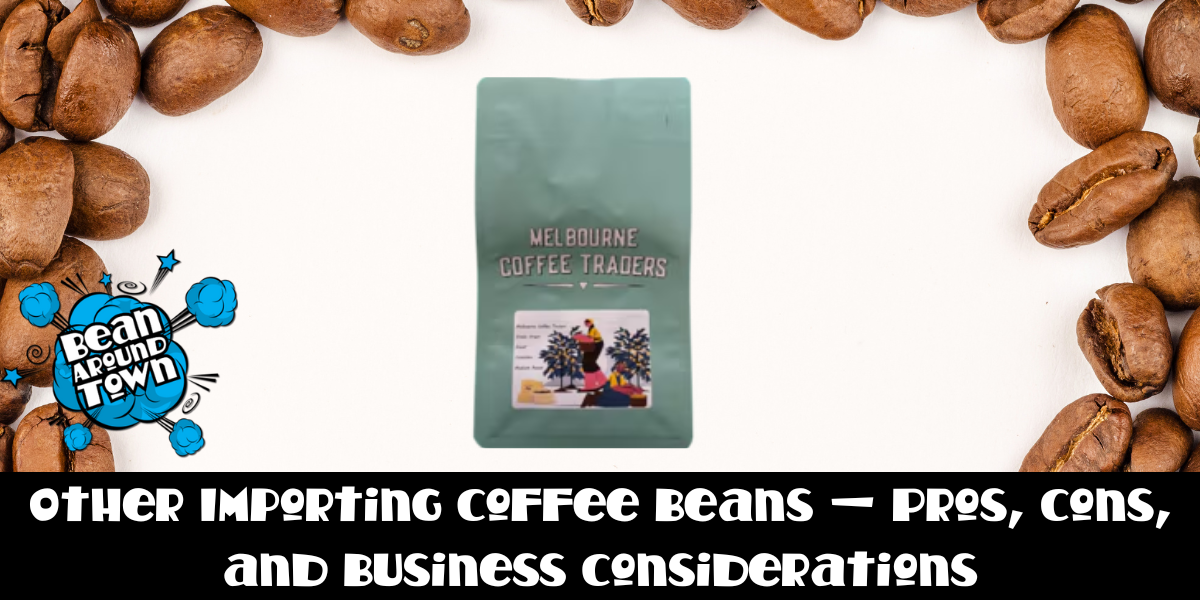
Importing can expand your offer with rare varieties and origin depth. It can also help larger venues plan long-term if volumes are steady and logistics are tightly managed.
Pros of Importing Beans
- Wider Variety: Access unique origins, processing methods, and single-origin coffees from across the world that lift your menu and keep regulars engaged.
- Seasonal rotations and micro-lots support tasting flights, limited releases, and storytelling that sets your café apart.
- Potential Cost Savings: Buying in bulk or partnering with large roasters can lower your cost per kilo when volumes are steady and forecasts are accurate.
- Strong unit economics, free budget for training, equipment upgrades, and marketing that grows loyal customers.
- Scalability: Import pathways make it easier to grow supply as your business expands, with predictable allocations for new sites or higher foot traffic.
- Forward contracts and call-offs give you confidence to plan promotions and maintain consistency across locations.
- Diversified Supply Chain: Sourcing from multiple regions reduces reliance on a single harvest or country, smoothing out seasonal and climatic risks. A broader supplier network buffers against disruptions and helps maintain menu stability year-round.
Cons of Importing Beans
- Longer Delivery Times: Extended international shipping, customs clearance, and domestic transport stretch lead times and complicate stock rotation. Beans may arrive past their ideal window, requiring tighter forecasting and backup blends.
- Quality Control Challenges: Distance limits direct oversight of green storage, roasting, and handling, increasing variability between lots. You’ll rely on samples, specs, and cupping reports, which adds admin and slows decision-making.
- Supply Chain Disruptions: Weather events, port congestion, and carrier delays can derail timelines and force last-minute menu changes. Tariffs and regulatory shifts introduce unpredictability that’s hard to bake into weekly planning.
- Potential for Higher Costs: Freight, insurance, brokerage, and customs fees add hidden expenses beyond the headline bean price. Currency volatility and surcharges can erode margins, especially when volumes fluctuate
When Importing Makes Sense
Importing works well for cafés with a steady base blend and a rotating single-origin program that draws enthusiasts. If your team handles forecasting and storage well, the model can deliver both choice and value.
Venues with clear brand positioning, a disciplined approach to inventory, and reliable tasting protocols are most likely to benefit from imported programs.
Local vs Imported Coffee — Key Comparison Points
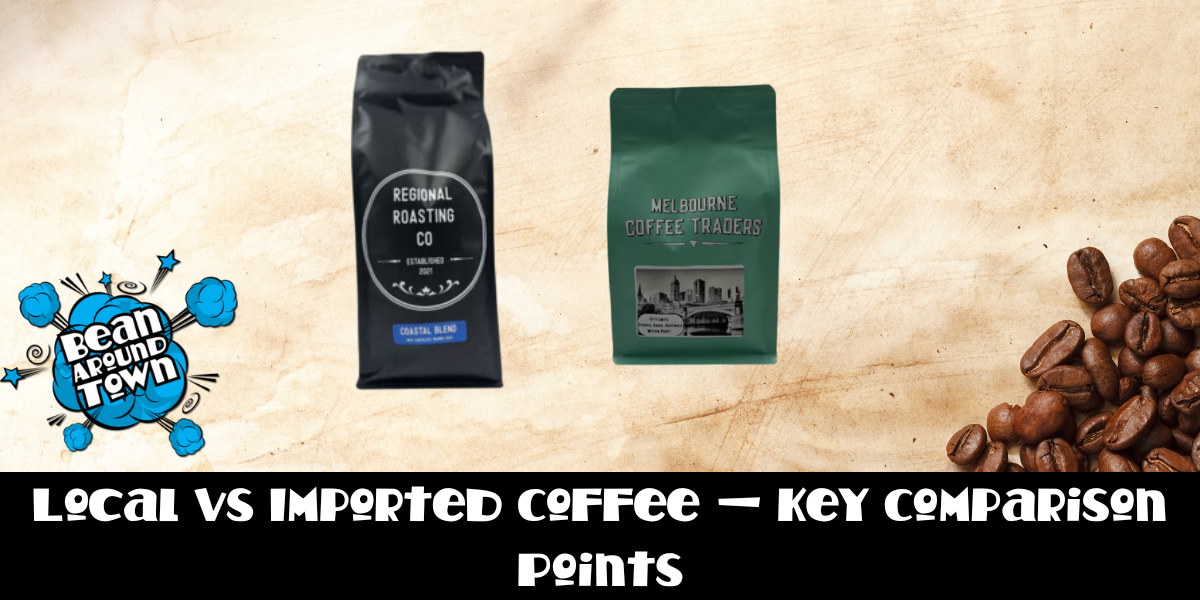
Both paths can deliver exceptional results. The best fit depends on your menu, brand positioning, and operational capacity to manage schedules and stock.
Freshness and Flavour
Local roasting lets you hit the bar with beans close to peak, which helps repeatable extractions and sweet, balanced cups. Imported programs need tight stock rotation and tasting to keep profiles on target from bag to bag.
Variety and Selection
Local roasteries often curate blends tailored to Australian palates and water chemistry. Imports broaden your single-origin list, which adds seasonal interest and caters to customers who love tasting their way around the producing world.
Cost and Scalability
Local sourcing may carry a premium at lower volumes, yet logistics are straightforward and support is close at hand. Import models reward accurate forecasting and tighter stock controls, particularly for venues planning multiple sites.
Sustainability and Risk
Shorter transport lanes support sustainability targets and transparent storytelling. Importing diversifies supply but demands mature risk planning for weather, ports, and currency moves.
How to Decide — Which Option is Best for Your Café?
Start with your menu vision, your audience, and the systems you can confidently run each week. Then, trial with side-by-side cuppings and real service tests at the machine.
Choose Local If You Prioritise…
You want fast feedback, predictable drops, and roast profiles tuned to your water, grinders, and recipes. You value a community-first brand and want hands-on training support.
Choose Importing If You Prioritise…
You want broader origin variety, the ability to buy at scale, and a brand known for discovery and seasonal storytelling. You have the planning discipline to handle longer lead times with confidence.
Key Elements to Consider Before Choosing a Supplier
Treat the decision like a long-term partnership review. Practical questions, cupping notes, and sample periods will tell you more than a price list alone.
Evaluate Your Business Needs
Clarify your espresso menu, filter options, and any signature drinks. Map your likely weekly volume, then consider storage, grinder capacity, and staff bandwidth for dial-in and maintenance.
Assess Quality and Training Support
Ask about tasting protocols, roast transparency, and how the team supports your dial-in after delivery. Look for barista training that improves consistency on your bar and helps new staff get up to speed.
Review Delivery and Risk Management
Delivery windows, order cut-offs, and communication channels can make or break a morning rush. You want clarity on public holiday adjustments and backup plans for unexpected transport delays.
Compare Pricing and Long-Term Value
Price matters, yet the cheapest kilo can cost more once wastage, delays, and re-dials are counted. Consider training, technical help, and flavour consistency as parts of the total value equation.
Building a Strong Partnership with Your Coffee Supplier
A great partnership gives you confidence from open to close. It supports your staff, protects margins, and keeps your customers excited to return.
Communication and Collaboration
Regular cuppings tighten feedback loops. Share sales patterns, customer notes, and grinder data so your partner can tweak roast profiles and delivery timing to match real demand.
Training and Marketing Support
Look for practical training that fits your recipes and equipment. Latte art practice, workflow coaching, and brew bar guidance all contribute to fewer remakes and a stronger service pace.
Scaling Together
As volumes increase, align on green stock planning, packaging schedules, and space for seasonal features. Agree on a review cycle so both teams can plan promotions and menu changes without last-minute scrambles.
How We Support Café Owners at Bean Around Town
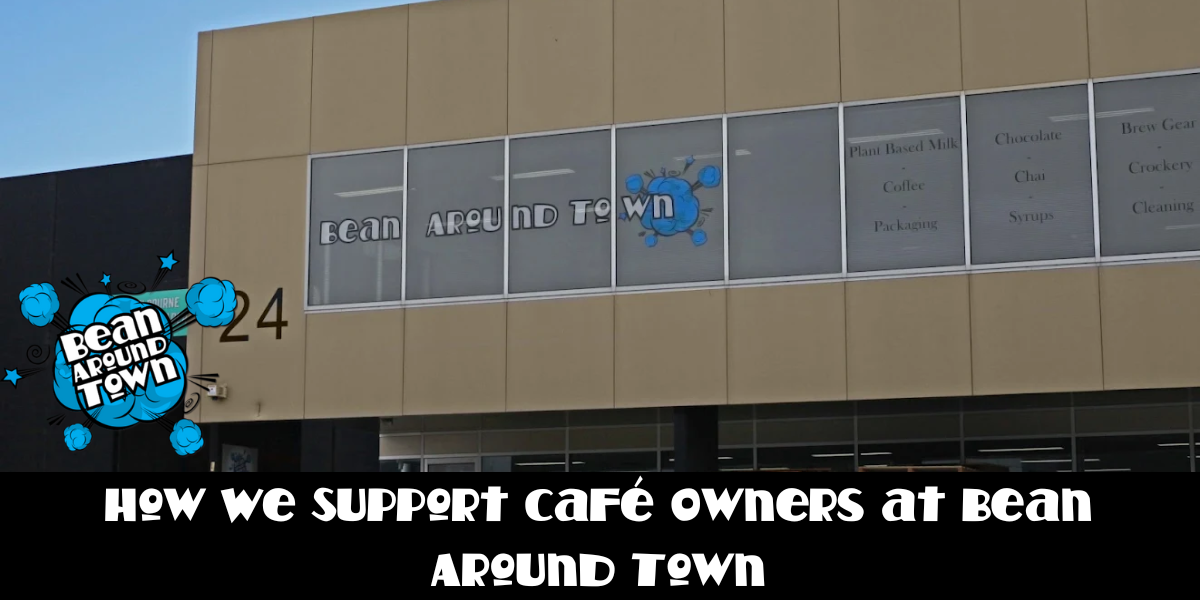
Bean Around Town is a Melbourne roastery focused on flavour, reliability, and practical help for busy venues. The team supports small independents and growing groups with flexible ordering and responsive communication.
Our Commitment to Freshness and Quality
We roast in small batches and schedule drops around typical usage so you pour at peak. Green buying is driven by taste and ethics, with cupping protocols that protect clarity, sweetness, and balance.
Supporting Local Cafés and Growing Brands
You can book tastings, plan blend tweaks, and refine recipes with support from experienced trainers. We offer guidance on grinders and water treatment, along with tasting notes that help your team speak confidently to customers.
Why Partner with Us
Operators choose Bean Around Town for practical delivery timing, honest flavour feedback, and real-world help on the bar. The approach is simple: roast delicious coffee, communicate clearly, and support your goals as your venue evolves.
Conclusion
There is no single right answer for every venue. Local sourcing suits cafés that value speed, collaboration, and neighbourhood ties. Importing opens doors to a wider variety and scale if your systems and forecasting are strong. Test, taste, and choose the model that delivers reliable flavour, smooth service, and the brand story you are proud to share.
Ready to serve consistently fresh, high-quality coffee? Partner with Bean Around Town for locally roasted beans, barista training, and reliable wholesale supply.
FAQs
How do I choose between a local roaster and importing beans?
Start with your menu, volume forecasts, and tolerance for longer lead times. Trial side-by-side tastings and measure consistency, waste, and service pace in real conditions.
We run guided cuppings and machine dial-ins, then map delivery schedules to your actual weekly flow.
Will importing hurt freshness compared to local sourcing?
Longer transit can impact peak flavour if forecasting and storage aren’t tight. With disciplined rotation and cupping, imports can still perform well on bar.
We roast locally to order and plan stock with you so your beans land fresh, ready for service.
What support should I expect from a wholesale coffee supplier?
Look for proactive delivery communication, brew support, and training that fits your recipes and equipment. Technical help on busy days is invaluable.
We offer barista training, espresso dial-in support, and responsive delivery windows tailored to you.
How can I manage costs without sacrificing coffee quality?
Track landed cost per cup, not just price per kilo, and factor in waste, redials, and downtime. Stable flavour and fewer remakes protect margins.
We optimise blends for your gear, reducing waste and helping you serve consistent, great-tasting coffee.
Can my supplier scale with me as the business grows?
Ask about green coffee planning, production capacity, and flexible terms. You want transparent timelines for new sites or seasonal menu shifts.
We build volume plans with you, aligning roast schedules and logistics as you open sites or expand your offering.