Sugar, sauces, curries, salads. Cafés and hospitality venues handle it all, and the packaging has to keep up. At the same time, customers are reading labels, noticing materials, and asking where waste goes after the meal.
Plastic containers can feel out of step with the values many venues want to show on the counter and in the delivery bag. That’s why Sugarcane Bagasse Containers are showing up across cafés, caterers, and food trucks.
They offer a clean presentation, strong performance, and a realistic pathway towards composting where systems are in place.
What Are Sugarcane Bagasse Containers?
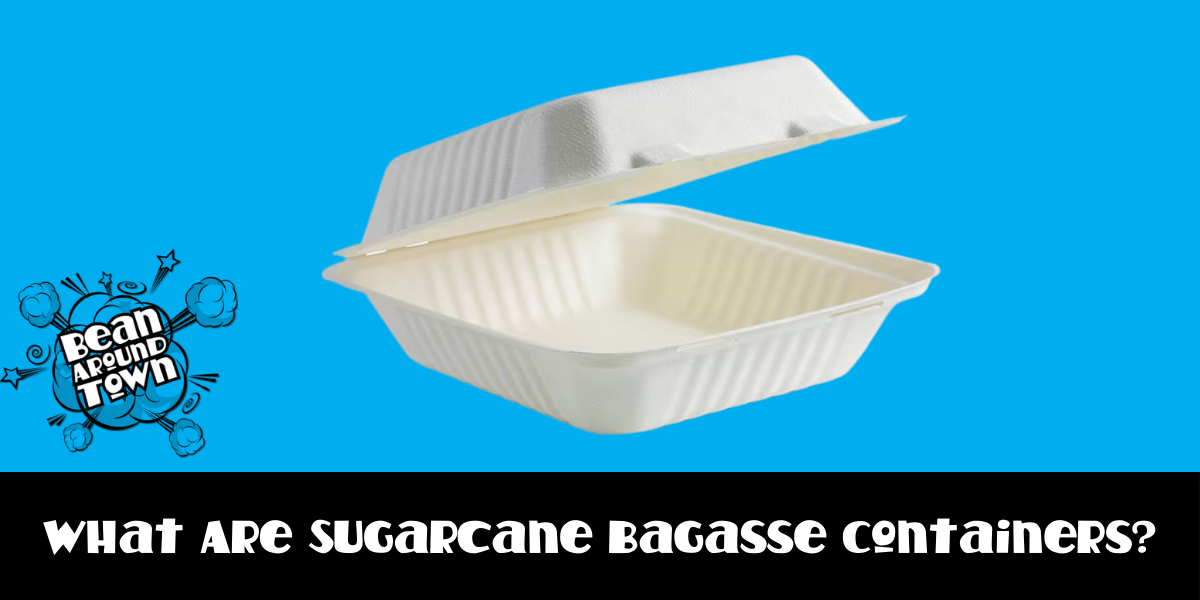
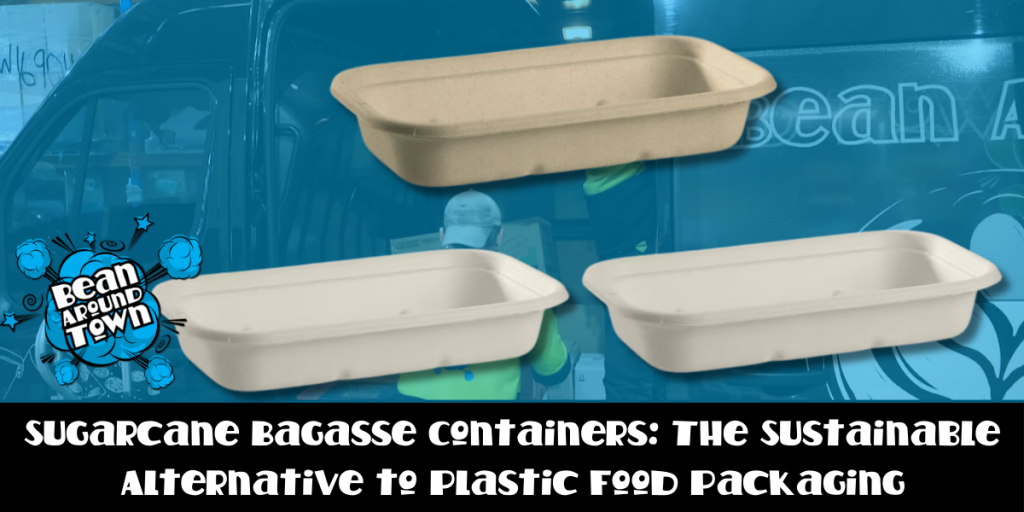
Sugarcane bagasse packaging is made from the fibrous residue left over after sugarcane processing. This material can be formed into sturdy, food-safe containers designed for everyday service.
A Sustainable Resource from Agricultural Waste
Sugarcane bagasse is the dry, pulpy fibre left after stalks are crushed for juice, then repurposed into packaging. Sugarcane bagasse containers use this existing by-product rather than creating a brand-new raw material stream.
By turning agricultural waste into sugarcane bagasse packaging, cafés can support a practical circular approach. The material has a natural matte finish that suits modern hospitality presentation.
Designed for Modern Food Packaging
Bagasse food containers are built for takeaway, delivery, and catering, with shapes that suit real menus and real service speeds. Lids, compartments, and stackable designs help streamline prep and handover.
They look clean and natural, which aligns with café-quality branding and plated-style presentation. For many venues, sugarcane bagasse containers feel like a natural fit on the pass.
Key Benefits of Sugarcane Bagasse Containers
Choosing packaging is a daily operational decision, so benefits need to be practical, not theoretical. This is where eco-friendly food packaging can succeed when it performs like a workhorse.
Biodegradable & Compostable
When processed through the right systems, compostable packaging can break down into nutrient-rich compost. Many operators choose bagasse food containers because they align with composting pathways and reduce landfill reliance.
In Melbourne, demand for compostable food containers in cafés is growing, alongside better waste separation practices. Disposal outcomes depend on local services, so it helps to match your packaging choice to your venue’s waste setup.
Durable, Functional, and Food-Safe
Strength matters when a container has to hold hot curries, fried foods, salads, and sauces without softening too quickly. Sugarcane bagasse containers are known for good rigidity and reliable leak resistance when paired with the right lid.
They’re also valued as plastic-free takeaway containers that can handle heat, grease, and oil without needing added PFAS coatings. For cafés, that’s a straightforward win for service and customer confidence.
Versatile for Daily Use
The day-to-day reality includes last-minute reheating, fridge storage, and meal prep. Many bagasse food containers are microwave-safe and freezer-friendly, which suits busy venues and customers who reheat later.
That flexibility helps compostable packaging feel practical across breakfast, lunch, and dinner service. It’s an easy way to cover a broad menu without switching container types every second order.
Reduced Environmental Footprint
Plastic is typically derived from fossil fuels and can carry a higher long-term environmental cost. Sugarcane bagasse packaging uses a renewable by-product, which can reduce reliance on petroleum-based materials.
For venues building a sustainability story, eco-friendly food packaging supports a visible shift that customers can recognise. The lower dependence on fossil fuels is part of what drives many cafés to switch.
How Sugarcane Bagasse Containers Compare to Plastic
Comparisons help decision-makers move from curiosity to action. Looking at materials, disposal, and performance makes the difference between a good idea and a workable rollout.
Material and Sustainability
Sugarcane is a renewable crop, and bagasse is the leftover fibre already produced during processing. That’s why sugarcane bagasse packaging is commonly viewed as a more sustainable feedstock than petroleum-based plastics.
For cafés that want plastic-free takeaway containers, bagasse offers a familiar user experience in a different material. It’s a tangible step towards long-term sustainability goals without redesigning the whole service model.
End-of-Life Outcomes
With the right collection and processing, bagasse food containers can be composted, returning organic matter to the soil. This supports the intent behind compostable packaging when systems exist to handle it properly.
Plastic packaging often persists in landfills and can escape into waterways and the environment. That difference in end-of-life outcome is a major reason venues choose bagasse for everyday takeaway.
Safety and Performance
Many operators want packaging that avoids added chemicals while staying reliable in heat. Sugarcane bagasse containers are often chosen because they can be made without added BPA and without PFAS coatings.
They also offer strong heat and grease resistance and decent insulation for hot meals, which is ideal for a wide range of menu items. For performance-focused venues, plastic-free takeaway containers need to hold up under real delivery conditions, and bagasse can.
Common Applications in Cafés and Hospitality
Bagasse works best when matched to the food style and service format. These are the most common use cases where bagasse food containers shine.
Takeaway and Delivery
Curries, noodles, fried rice, pasta, and saucy dishes are classic takeaway staples. Sugarcane bagasse containers handle hot, hearty meals well, with a sturdy feel that suits delivery handoffs.
Leak resistance matters when bags get stacked, and riders move fast. Many venues choose bagasse food containers for delivery because customers open them and see a premium, natural presentation.
Catering and Events
Catering needs speed, separation, and consistent portioning. Compartment trays made from sugarcane bagasse packaging help keep mixed components apart without flavour transfer.
For street food, corporate lunches, and event service, sugarcane bagasse containers support clean presentation and quick clearing. They’re a good fit when venues want compostable options that still look polished.
Cold Foods and Light Meals
Salads, desserts, sides, and sauces need containers that look clean and hold their shape. Bagasse food containers offer a natural aesthetic that suits grab-and-go fridges and display cabinets.
They work well for dine-in, takeaway and quick counter service where customers want a neat, modern package. As eco-friendly food packaging, bagasse can lift the perceived quality of lighter menu items.
Sugarcane Bagasse Containers in Melbourne’s Food Industry
Melbourne cafés often lead the way on sustainability, and customers pay attention to packaging choices. Local availability and reliable supply are key for any venue that wants consistency.
Supporting Melbourne’s Sustainability Expectations
Many venues aim to align with council waste reduction initiatives and customer expectations around landfill diversion. That’s where compostable food containers Melbourne cafés use can support a clearer waste story.
Consumer awareness continues to grow, and people notice when packaging looks and feels considered. Switching to eco-friendly food packaging can complement broader initiatives like reusable cups, better recycling separation, and reduced single-use plastics.
A Practical Choice for Small and Medium Businesses
Smaller venues need packaging that fits existing workflows, storage space, and ordering routines. Sugarcane bagasse containers Melbourne businesses rely on are popular because they integrate easily with takeaway operations.
Consistency matters for branding and service speed, so a steady supply is essential. Reliable access to bagasse food containers helps cafés standardise their packaging across busy periods and seasonal menu changes.
Important Considerations When Using Bagasse Food Containers
It helps to be upfront about limitations so the switch feels trustworthy. Bagasse performs well in many scenarios, and it performs best when used as intended.
Liquid Capacity and Usage Limits
Very large volumes of liquid for long periods can challenge any fibre-based material. Bagasse food containers are generally suited to saucy meals and moderate liquids, rather than extended storage of hot soups filled to the brim.
Best results come from pairing the container type to the menu item and typical holding time. For some high-liquid applications, a different format or lid choice can improve performance.
Reheating and Handling Tips
For customers reheating frozen meals, defrosting first can reduce the chance of fibres sticking. Sugarcane bagasse containers handle reheating well when used with sensible time and temperature settings.
Avoiding extreme or prolonged heat exposure supports the structure and keeps the container looking tidy. A simple reheating note on your delivery sticker can prevent avoidable complaints.
Making the Switch to Sugarcane Bagasse Packaging
Switching packaging is easier when it’s treated like a small operational project. A clear plan helps you keep service smooth while adopting compostable packaging.
Simple Steps for Cafés and Hospitality Operators
Start by mapping your menu to container needs, then trial a small range before scaling. Many venues replace key items first, such as main meal bowls and side containers, to transition away from conventional plastics.
A practical rollout can include:
- Trial plastic-free takeaway containers on top sellers for one to two weeks.
- Ask staff for feedback on stacking, lids, and speed at the pass.
Communicating your sustainability effort can be simple and clear, without overpromising on disposal outcomes. Customers appreciate honest guidance on how to dispose of compostable packaging based on local options.
Long-Term Benefits for Brand and Environment
Packaging is part of your brand presentation, especially when most customers eat away from the venue. Eco-friendly food packaging can support a premium feel that matches the quality of your food and coffee.
Over time, the shift can help reduce plastic waste going into landfills and the broader environment. When customers see consistent choices like sugarcane bagasse containers, it reinforces trust in your values.
Why We Recommend Sugarcane Bagasse Containers at Bean Around Town
Choosing packaging is easier with a supplier who understands café reality, not just product specs. At Bean Around Town, we recommend options that perform under pressure and suit Melbourne service styles.
Supporting Over 600 Cafés Across Melbourne and Victoria
We work alongside hospitality teams every day and see what holds up on busy shifts. That’s why we back sugarcane bagasse containers as a practical option that suits daily takeaway and delivery demands.
For venues seeking sugarcane bagasse containers, Melbourne operators can keep ordering consistently; supply reliability is part of the recommendation. Sustainability, performance, and service speed all matter at once.
A Practical Fit Within Our Café Supply Ecosystem
Packaging needs to fit into your broader supply routine, alongside cups, lids, napkins, and café essentials. Bagasse food containers sit naturally within a complete ordering setup, so venues can simplify purchasing and reduce stock headaches.
Our streamlined online ordering portal helps cafés source compostable packaging quickly and consistently. That means fewer last-minute substitutions and a cleaner brand experience for customers.
Backed by Education, Service, and Industry Experience
Our team is hands-on with coffee and hospitality operations, including through our in-house barista education programme. That day-to-day insight shapes how we recommend eco-friendly food packaging that fits real workflows.
We’re committed to helping cafés operate more sustainably without compromising quality or efficiency. If you want guidance on container types, lids, and best-fit use cases, our team can help you choose confidently.
Conclusion
For cafés and hospitality venues ready to reduce plastic, Sugarcane Bagasse Containers offer a strong blend of performance, presentation, and sustainability. With the right match to your menu, bagasse food containers handle hot meals, greasy favourites, and grab-and-go items while supporting a cleaner waste story. As sugarcane bagasse packaging, they help shift demand away from fossil-fuel plastics and towards renewable materials, with composting potential where facilities exist.
If you’re looking for sugarcane bagasse containers Melbourne businesses trust or want advice on selecting plastic-free takeaway containers and compostable packaging that suit your service style, contact us at Bean Around Town. We’ll help you choose the right range and get your venue set up with compostable food containers Melbourne customers will feel good about.
FAQs: Sugarcane Bagasse Containers and Compostable Packaging
Are sugarcane bagasse containers really compostable?
Yes, sugarcane bagasse containers are compostable when processed through suitable composting systems. We can help you choose options that align with local compostable packaging pathways and your venue’s setup.
Can bagasse food containers handle hot and oily foods?
Yes, bagasse food containers are designed to handle heat, grease, and oil for common takeaway meals. We’ll recommend the right container and lid combo from our range based on your menu and service times.
Are sugarcane bagasse containers microwave-safe?
Yes, many sugarcane bagasse containers are microwave-safe for reheating with sensible time and heat settings. We can guide you on best-practice use of notes you can share with customers to improve results.
How should cafés dispose of compostable food containers in Melbourne?
Use commercial composting where available, and follow your council’s guidance for organics collection and contamination rules. Our team can advise on compostable food containers Melbourne venues use and how to communicate disposal clearly.
Are compostable food containers more expensive than plastic?
Often, they cost a bit more per unit, but many venues see value through brand perception and waste goals. We’ll help you compare options and find eco-friendly food packaging that fits your budget and service needs.