Melbourne’s coffee scene runs on precision, craft, and a strong respect for the machines behind each cup. A top-level course pulls back the panels just enough for learners to see how the machine shapes flavour and consistency without needing full technical training. Students pick up practical habits for dialling in, caring for equipment, and spotting issues early, so they can stay calm and consistent in both busy rushes and quieter moments. This foundation leads neatly into advanced barista qualifications, where a basic mechanical understanding becomes a daily advantage at the bar.
The Hidden Mechanical Knowledge Behind Professional Barista Training
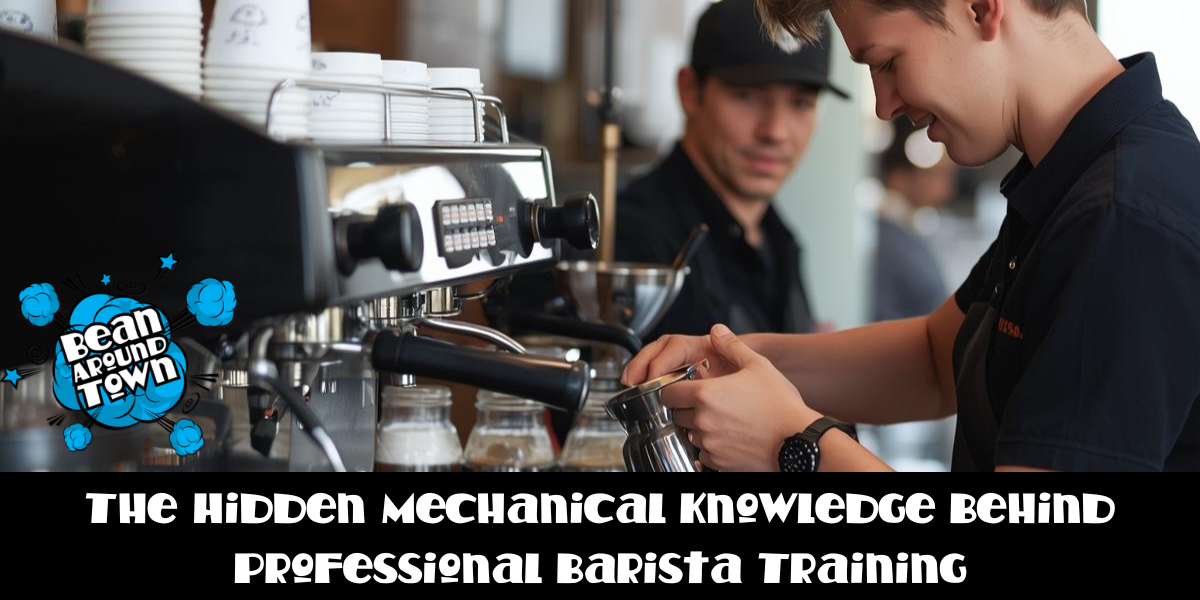
Advanced training shows how important parts of a coffee machine are to both taste and how well the machine works. Students learn how their daily actions affect water flow and the pressure on the coffee, not just the numbers on a dial.
Understanding the ‘Why’ Behind Every Adjustment
Trainers connect grind size, pressure, water speed, and brewing time to the taste and feel of coffee. Baristas learn to notice when coffee is brewed too much or too little by looking at and tasting the shot. In advanced training, they also focus on how much coffee to use, how much coffee comes out, and how long the water stays in contact with the coffee, all in a simple, hands-on way.
Going Beyond Standard Operation
Parts like screens, baskets, and seals are taught as important for taste, not just as hidden pieces. With guided training, baristas build habits of regular checking and cleaning, which keeps flavours fresh and machines working well for longer.
Water Quality, Temperature & Their Impact on Flavour

Water and temperature are just as important as coffee and grind size in making great coffee. Courses explain how these things work with grind and the amount of coffee to create the full brewing process.
Water Quality Testing & Treatment
Students learn how water hardness, dissolved solids, and common impurities affect both taste and the machine’s health. Training teaches how filters and softeners protect the machine’s parts, improve taste, and reduce the need for repairs when equipment is used correctly.
Temperature Stability & Heat Management
Trainers show how different heating systems work when the machine is resting, heating up again, and being cleaned out. Baristas learn to link temperature changes to sour or burnt flavours and use simple checks and adjustments to keep their espresso consistent every time.
The Internal Anatomy of Espresso Machines (What Baristas Aren’t Usually Taught)

Mechanics training covers pumps, valves, boilers, and water paths, and connects these parts to what baristas see at the group head. Graduates leave with a basic understanding of the machine’s insides, not just the controls on the outside.
Commercial vs Home Machine Construction
Students compare commercial and home machines by size, strength, and the longevity of their parts. This helps them handle coffee equipment better, from letting it warm up properly to handling lots of use during busy times.
Dispersion Discs, Screens & Group Head Components
Discs and screens are shown as tools that help evenly distribute water and keep flavours clean. Training encourages baristas to check for damage, blockages, or bending, which helps prevent uneven coffee and maintain high quality.
Basket & Portafilter Geometry
The depth, width, and hole pattern of baskets affect how easily water passes through, the shape of the used coffee, and the space above the coffee. Students learn to pick the right basket for each amount and recipe, which helps them make either cleaner or stronger espresso shots.
Hands-On Electronics & Component Testing

Courses help baristas understand how the machine’s electrical components work in daily café operations. A good barista course in Melbourne makes it clear what is safe to do and shows how simple tests can lead to faster, more accurate problem-solving.
Using a Multimeter
Students learn how to use a multimeter to test switches, solenoids, thermostats, elements, and fuses. This training helps them understand and correctly record readings, supporting a clear repair process.
Reading Machine Behaviour Through Electrical Symptoms
Electrical or mechanical problems often cause issues such as low pressure, slow heating, or power issues. In advanced training, baristas use step-by-step guides to identify causes more quickly, so technicians can fix issues faster and reduce waste.
Safety Rules for Working With Electronics
Students are taught how to safely turn off equipment, know what they can and cannot do, and when to call a licensed professional. Good safety habits help protect people, equipment, and warranties.
The Fine-Tuning of Espresso Extraction
Understanding how the machine works helps baristas make better recipe changes and decisions at the bar. With a clear approach, they can adjust settings calmly, using both taste and simple measurements.
The True Interaction of Grind Size, Pressure & Time
Finer grinding increases resistance and alters the shot’s pressure and speed. Students practice knowing when to adjust the grind, yield, or pre-infusion to keep their espresso balanced.
Beyond the “30-Second Rule”
Timing is just a guideline, not a strict rule. In advanced training, students use visual cues, along with timing and aroma, to make shots that match the desired flavour rather than just aiming for a set time.
Why Technical Knowledge Leads to Better Tasting Coffee
Knowing how the machine works helps baristas react quickly when the flavour changes. Connecting taste with machine knowledge helps keep coffee consistent all day and prepares graduates to maintain high quality.
Advanced Troubleshooting for Real-World Café Problems
Cafés deal with changes in beans, weather, and customer demand, so having a clear troubleshooting process is important. Training gives baristas simple steps to maintain high service quality when problems arise.
Diagnosing Sour, Bitter, or Weak Espresso
Students begin by checking the grind, dose, water, and temperature, then look for issues such as channelling, scale build-up, and pressure problems. This method improves quality control and helps baristas handle equipment well during busy times.
Troubleshooting Beyond Cleaning
When problems persist after cleaning, baristas look at flow rates, solenoids, and pump load in an organised way. They learn to tell whether faults sit before or after the group, which speeds up service recovery and technical support.
Preventive Maintenance for Machine Longevity
Maintenance plans include regular checks of gaskets, screens, lubrication, and descaling. Keeping records of shot counts, filter changes, and part replacements helps cafés avoid breakdowns and better track costs and performance.
Barista Skills Beyond Latte Art
Good training gives baristas confidence at the bar, not just in making latte art. Knowing how machines work helps them stay fast, consistent, and deliver quality across all types of menus and busy times.
Workflow, Efficiency & Professional Standards
Baristas look at how they move, assign groups, and steam milk to avoid wasted steps. Using recipes, checklists, and clear communication keeps the station organised and ensures reliable results beyond just latte art.
Communication Between Baristas & Technicians
Students learn how to describe faults clearly, note timing, and record checks already completed. This lifts barista skills beyond latte art by improving service calls and reducing ongoing issues.
Equipment Handling & Care
Safe purging, correct dosing, and organised storage are treated as daily habits, not extras. Awareness of heat, pressure, and venting routines protects teams, while clean, tidy benches support consistent cups and lower stress.
Choosing a Barista Course That Actually Teaches This Level of Detail

When choosing a course, look for clear coverage of machines, plenty of hands-on practice, and trainers with real café experience. In Melbourne, the best barista courses combine practical mechanics with real bar skills.
Look for True Mechanical Modules
Good course outlines cover boilers, pumps, pressure profiles, water chemistry, and basic electrical concepts. Diagnostic labs and practice sessions show that a course offers real advanced training, not just surface-level skills.
Trainers with Industry & Technical Backgrounds
Trainers with real café experience and hands-on problem-solving bring practical examples to each lesson. Their background helps baristas connect decisions to real service results, building skills beyond just latte art.
Hands-On Practice with Real Commercial Machines
Students gain from using real commercial machines with true-to-life pressure and heat. Practising on different brands and setups helps them adapt and turn what they learn in class into daily habits.
How Bean Around Town Equips Baristas With Real Mechanical Knowledge

Bean Around Town combines practical training with real café pressures so baristas develop confidence with both flavour and equipment. The program connects core ideas to on-bar choices and builds technician-style awareness while keeping focus on the cup.
Our Comprehensive Barista Training Approach
We teach espresso machine maintenance, extraction science, and how commercial machines work through clear lessons and hands-on practice. Our trainers help you with grind and pressure control, spot flow issues, and manage temperature changes, using checklists and routines that fit real café work.
Our Support for Over 600 Cafés
We support cafés across Melbourne and beyond with roasted coffee, tools, cleaning products, and alternative milks to keep bar skills aligned. Field support and refreshers help teams maintain standards, refine workflows, and avoid problems that grow quietly in the background.
Our Commercial Machine Repair Expertise
Our in-house repair team works on top commercial machines, letting trainees see real problems and solutions. We teach how to spot early warning signs, follow clear testing steps, and know when to call a licensed technician, so daily habits protect key machine parts.
Our Online Ordering Portal for Streamlined Operations
Our online portal makes it easy to keep beans, spare parts, and cleaning supplies stocked. Ordering matches up with training, so cafés can follow best practices all day.
Conclusion
A focused program shows how machine behaviour, water, and temperature directly affect flavour and consistency. Students learn the basics of machine internals, align their techniques with results, and build habits that last through busy seasons and across changing teams. Graduates leave with a practical mindset that supports their café, team, and every cup they make.
Want to train with a partner who values both mechanics and flavour? Contact Bean Around Town to learn about courses and support designed for your café. Join a network that supports your team, equipment, and systems so your coffee is great every day.
FAQs – Barista Courses & Coffee Machine Mechanics
What are the most important skills for a barista?
- Core skills include understanding espresso, managing workflow, looking after customers, identifying basic issues, and practising careful handling of coffee equipment. We offer structured training and on-bar support to build these skills with confidence.
What is the 30-second rule for espresso?
- It is a starting guideline; flavour balance, yield, and flow quality carry greater weight than time alone. We train you to read the shot and taste outcomes for consistently balanced extractions.
Is a barista course worth it in Australia?
- Yes, formal training builds employability, confidence, and service quality in a busy market. We offer practical, industry-led courses in Melbourne with ongoing support for cafés.
What is the average salary of a barista in Australia?
- Typical rates sit around $25–$32 per hour, depending on experience, venue, and location. We help lift your value with career-focused training and real café practice.
What is a barista’s top salary?
- Experienced head baristas and café managers often earn $55,000–$70,000+ annually. We support progression with advanced training, technical exposure, and strong employer connections.